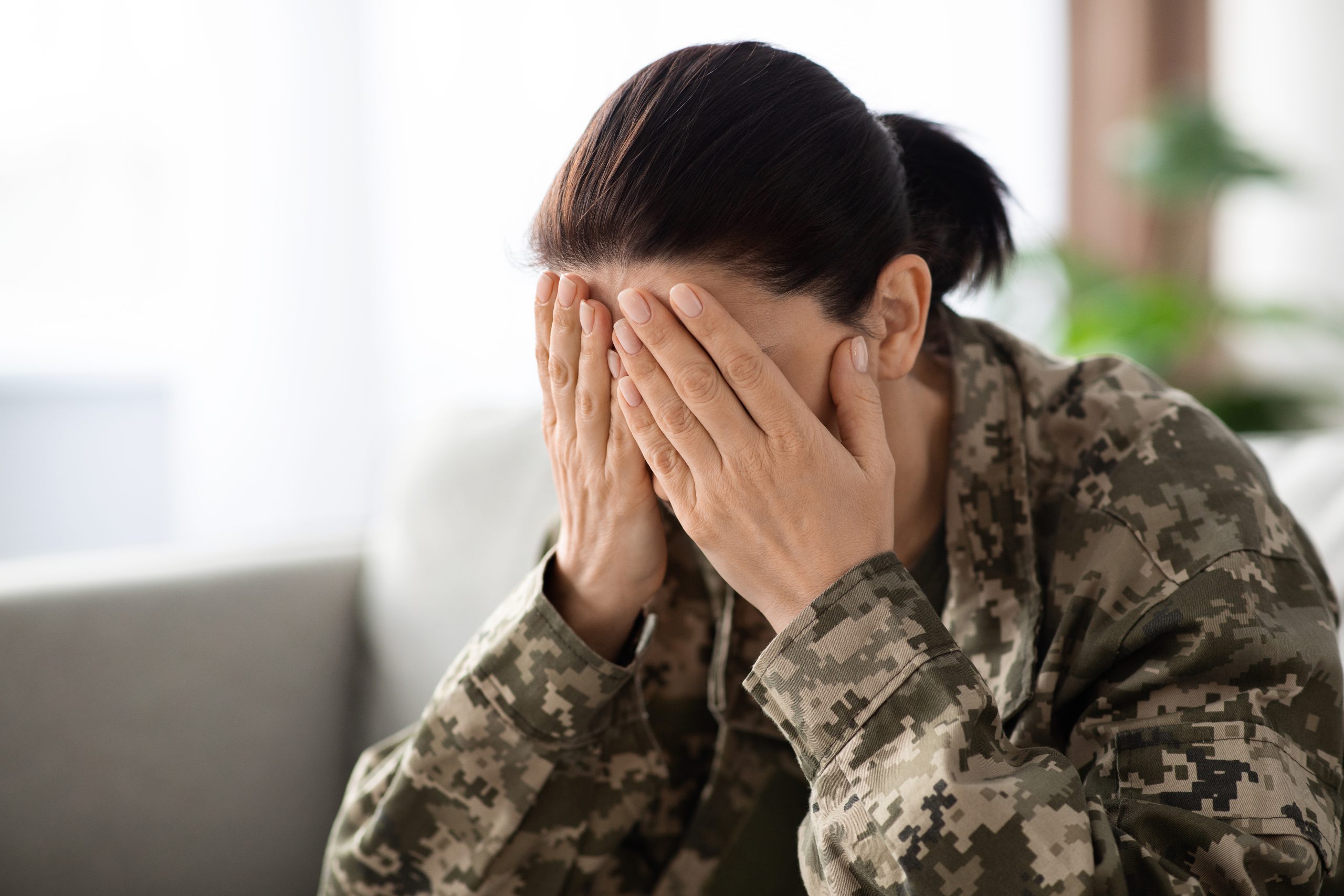
Caring for Your Mental Health While Dating in the Military
Mental health is a vital aspect of overall well-being, and it holds particular significance for those in the military community. Whether you are actively serving or transitioning to civilian life, it’s crucial to prioritise your mental health. This blog post aims to provide advice and resources on how to care for your mental health, with a specific focus on the role of a loving partner in providing emotional support. In military dating, having a partner who understands the importance of mental health and is there to support you can make all the difference.
Prioritising Mental Health in the Military
Seeking Professional Help: Military members often face unique stressors, such as deployments, combat experiences, and frequent relocations. It’s essential to be open to seeking professional help when needed. Military organisations and the Department of Veterans Affairs (VA) provide access to mental health services for active-duty service members, veterans, and their families.
Embrace Self-Care: Incorporate self-care practises into your routine. This can include exercise, meditation, hobbies, and ensuring you get enough rest. Encourage your partner to do the same.
Open Communication: Maintain open and honest communication with your partner about your mental health. Sharing your feelings and experiences can help you both understand and support each other better.
The Role of a Loving Partner
Understanding and Empathy: A loving partner should strive to understand the unique challenges you face in the military. Empathy goes a long way in creating a supportive environment.
Providing Emotional Support: Emotional support from a partner is invaluable. Whether you are actively serving or transitioning to civilian life, having someone who is there to listen and offer encouragement can significantly impact your mental health.
Being Nonjudgmental: It’s essential for a partner to be nonjudgmental and accepting of your experiences and emotions. A safe and noncritical environment is conducive to open communication.
Resources for Caring for Your Mental Health
Military OneSource: This is a Department of Defence programme that offers a range of resources for service members and their families, including counselling and support services.
Veterans Crisis Line: If you’re a veteran in crisis or in need of urgent help, the Veterans Crisis Line provides confidential support by phone, text, or online chat.
National Alliance on Mental Illness (NAMI): NAMI offers resources, education, and support for those affected by mental illness, including military service members and veterans.
VA Mental Health Services: For veterans, the VA provides a variety of mental health services, including counselling, therapy, and support groups.
Caring for Your Partner’s Mental Health
Caring for your partner’s mental health is a two-way street. Just as your partner supports you, it’s crucial to reciprocate and provide emotional support when needed. Remember that mental health challenges can affect anyone, including those in the military community.
Caring for your mental health while dating in the military is essential for your overall well-being and relationship success. Understanding the importance of professional help, self-care, and open communication can contribute to a healthier mindset. Moreover, the role of a loving partner in providing emotional support and a nonjudgmental environment cannot be overstated. Prioritising mental health not only benefits you individually but also strengthens the bond you share with your partner. In the world of military dating, having a partner who cares about your mental health is a powerful asset that can help you navigate the unique challenges you may face.
